 +86 15338350382

 Italian
 Inglese
 Spagnolo
 Francese
 Russo
Russo Tedesco
 Giapponese

 10 Min letturaPubblicato Jul 08 2026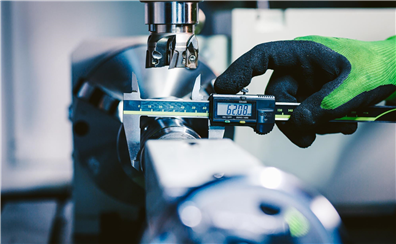
Molti team di sviluppo di prodotti dedicano tempo significativo all'ottimizzazione di funzionalità, aspetto e prestazioni. Gli ingegneri utilizzano software CAD avanzato per creare geometrie sofisticate, simulare le condizioni di funzionamento e convalidare le prestazioni meccaniche molto prima che un prodotto raggiunga il piano di fabbrica. Tuttavia, nonostante questi progressi tecnologici, un fattore critico è spesso trascurato durante la fase iniziale di progettazione: la fabbricabilità.
Un progetto può funzionare perfettamente in un ambiente digitale ma rivelarsi difficile, costoso o addirittura impossibile da produrre in modo efficiente. Caratteristiche come tolleranze inutilmente strette, tasche interne profonde, pareti sottili, aree di lavorazione inaccessibili o selezioni di materiali non standard presentano spesso sfide inaspettate durante la produzione. Questi problemi spesso rimangono nascosti fino all'inizio della lavorazione, quando le riprogettazioni diventano costose, i tempi di consegna aumentano e i piani del progetto vengono messi a rischio.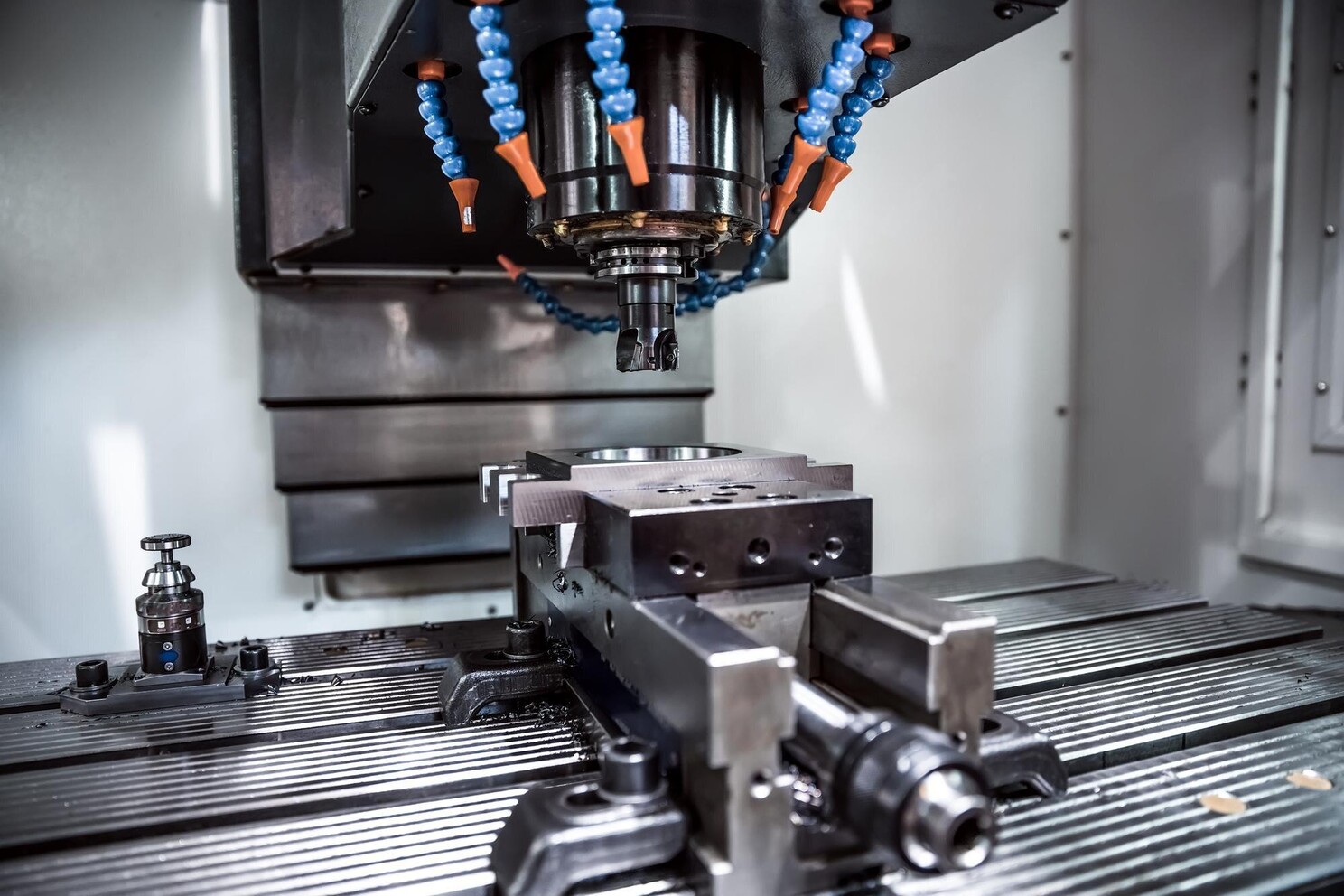
Questo è dove Design for Manufacturability (DFMdiventa una strategia ingegneristica essenziale. Invece di trattare la produzione come la fase finale dello sviluppo del prodotto, DFM integra le conoscenze di produzione nel processo di progettazione fin dall'inizio. Incoraggia la collaborazione tra ingegneri di progettazione e specialisti di produzione per garantire che i prodotti non siano progettati solo per le prestazioni, ma anche ottimizzati per una produzione efficiente.
Perché le sfide manifatturiere spesso iniziano durante la progettazione del prodotto
MoltifabbricazioneLe sfide nascono molto prima dell’inizio della produzione, spesso durante la fase di progettazione del prodotto. Mentre gli ingegneri naturalmente danno priorità alle prestazioni, alla funzionalità e all'estetica, la fabbricabilità a volte viene considerata troppo tardi nel processo. Di conseguenza, progetti che sembrano perfetti in CAD possono diventare difficili, costosi o inefficienti da produrre una volta raggiunti il piano di fabbrica.
Gli strumenti CAD moderni consentono di creare geometrie altamente complesse, ma non tutte sono pratiche da fabbricare. Caratteristiche come tolleranze inutilmente strette, cavità profonde, pareti sottili e piccoli raggi interni spesso richiedono utensili speciali, tempi di lavorazione più lunghi e impostazioni aggiuntive. Allo stesso modo, la selezione dei materiali basata esclusivamente sulle prestazioni, senza considerare la lavorabilità, può aumentare significativamente i costi di produzione e i tempi di consegna.
Anche le decisioni di assemblaggio prese durante la progettazione hanno un impatto importante. Prodotti con numeri eccessivi di parti, sistemi di fissaggio complessi o requisiti di allineamento difficili tendono ad aumentare il tempo di lavoro e ad introdurre più opportunità di errore. Senza input di produzione precoce, questi problemi vengono spesso scoperti solo dopo l'inizio della produzione, quando le modifiche sono molto più costose e disruptive.
Ecco perché la collaborazione precoce attraverso DFM è così importante. Attraverso il coinvolgimento di competenze produttive durante la fase di progettazione, le aziende possono identificare precocemente i rischi, semplificare la produzione, ottimizzare i materiali e ridurre la complessità inutile. Il risultato è un design che non solo funziona bene, ma può anche essere fabbricato in modo efficiente, affidabile e su scala.
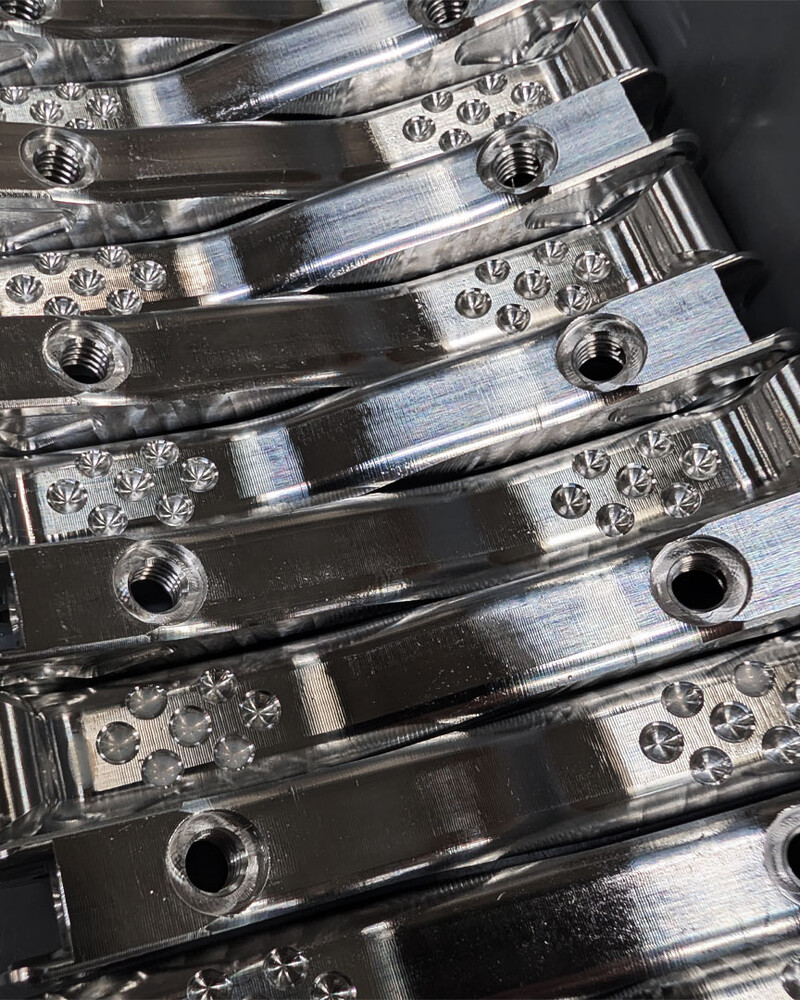
I principi fondamentali della progettazione per la fabbricabilità
La DFM di successo segue diversi principi ingegneristici fondamentali che si applicano in quasi tutti i processi di produzione.
1. Semplifica la geometria
Le geometrie complesse richiedono quasi sempre più operazioni di lavorazione, utensili aggiuntivi, tempi di programmazione più lunghi e maggiori esigenze di ispezione. Disegni più semplici generalmente riducono i costi di produzione migliorando la coerenza.
Quando possibile:
· Ridurre le caratteristiche inutili.
Elimina la complessità cosmetica.
· Combinare più caratteristiche in progetti più semplici.
· Evitare interruzioni inutili.
· Standardizzare le dimensioni dei fori.
2. Progettazione intorno all'attrezzatura standard
Ogni operazione di lavorazione dipende da utensili di taglio con dimensioni e capacità definite. I progetti che richiedono utensili personalizzati aumentano sia i tempi di consegna che i costi di fabbricazione. L'attrezzatura standard semplifica anche la manutenzione futura e la riproduzione.
Ad esempio: invece di specificare un raggio interno di 1,7 mm, la selezione di un raggio standard di 2 mm potrebbe consentire l'uso di fresatori finali facilmente disponibili. Questa modifica apparentemente insignificante può ridurre notevolmente i tempi di lavorazione.
3. Applicare tolleranze realistiche
Uno dei fattori di costo più comuni nella lavorazione CNC sono le tolleranze inutilmente strette. Non tutte le dimensioni richiedono precisione a livello aerospaziale. Le interfacce funzionali critiche meritano un controllo più rigoroso. Le dimensioni cosmetiche non critiche di solito non lo fanno. Comprendere questa distinzione migliora notevolmente l'efficienza produttiva.
Ogni tolleranza più rigorosa richiede:
· Calibrazione della macchina più precisa
· Passi di lavorazione aggiuntivi
· Tassi di alimentazione più lenti
· Aumento del tempo di ispezione
· Rischio più alto di rottami
4. Minimizzare le modifiche di configurazione
Ogni configurazione di lavorazione introduce ulteriori errori di manodopera e posizionamento potenziali. I progetti che richiedono più orientamenti aumentano i tempi di produzione.
DFM mira a ridurre al minimo:
· Cambiamenti di apparecchiature
· Riposizionamento della macchina
· Sistemi di sostegno del lavoro multipli
Meno configurazioni generalmente portano a:
· Consistenza dimensionale superiore
· Tempi di ciclo più veloci
· Costi del lavoro più bassi
5. Seleziona i materiali saggiamente
La scelta dei materiali influenza quasi tutti gli aspetti della fabbricazione. Alcuni materiali lavorano eccezionalmente bene. Altri usurano rapidamente strumenti di taglio, richiedono strategie di lavorazione specializzate o richiedono parametri di taglio più lenti.
Ad esempio: l'alluminio 6061 offre un'eccellente lavorabilità. Il titanio fornisce una resistenza superiore ma aumenta significativamente i tempi di lavorazione e i costi di utensili. Gli acciai inossidabili variano ampiamente nella lavorabilità a seconda della composizione della lega.
Durante la valutazione DFM, gli ingegneri determinano se materiali alternativi possono raggiungere prestazioni meccaniche simili migliorando al contempo l'efficienza di produzione.
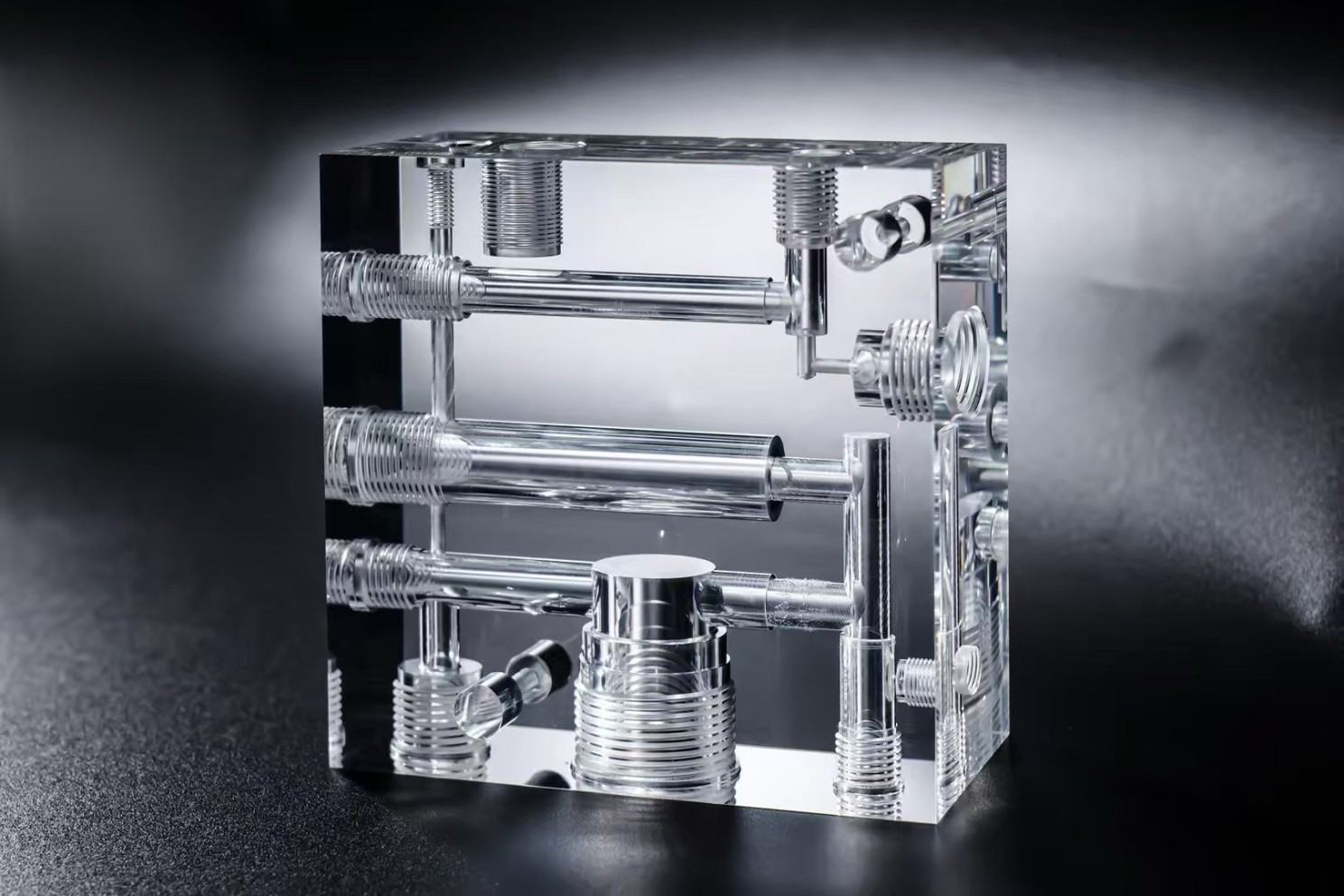
Errori di progettazione che aumentano i costi di produzione
Uno degli obiettivi principali del DFM è identificare decisioni di progettazione che aumentano involontariamente la complessità della produzione, i costi e i tempi di consegna. Questi problemi spesso sembrano insignificanti durante la fase di progettazione, ma possono diventare ostacoli importanti una volta iniziata la produzione.
Gli ingegneri di produzione esperti capiscono che ogni caratteristica geometrica, tolleranza, specifica del materiale e requisito di finitura della superficie influenzano l'efficienza con cui una parte può essere prodotta. Riconoscendo in anticipo gli errori di progettazione comuni, le aziende possono evitare spese inutili migliorando sia la fabbricabilità che la qualità del prodotto.
1. Tolleranze troppo strette
Forse il problema più comune identificato durante le revisioni DFM è l'uso eccessivo di tolleranze strette. Molti ingegneri applicano la stessa tolleranza di alta precisione su un intero disegno senza distinguere tra caratteristiche funzionali e non funzionali. Anche se questo approccio sembra conservatore, spesso si traduce in costi di produzione drammaticamente più alti.
Ad esempio, specificare ±0,005 mm per ogni caratteristica lavorata può richiedere:
· Passi di finitura aggiuntivi
· Molinatura di precisione invece di fresatura
· Utensili di taglio di qualità superiore
· Parametri di lavorazione più lenti
· Aumento del tempo di ispezione
· Maggiore rischio di rottami
Tuttavia, molte dimensioni non influenzano direttamente l'assemblaggio o le prestazioni del prodotto. Una revisione DFM separa le dimensioni critiche dalle dimensioni generali, consentendo di concentrare le risorse di produzione dove la precisione conta veramente.
2. Tasche profonde e cavità strette
Le cavità profonde appaiono spesso in progetti strutturali leggeri, custodie elettroniche, componenti aerospaziali e parti robotiche. Anche se riducono il peso, presentano anche sfide di lavorazione. Le tasche profonde richiedono strumenti di taglio lunghi.
Gli utensili lunghi sono intrinsecamente meno rigidi, rendendoli più suscettibili a:
· Deviazione dell'utensile
· Chatter
· Vibrazione
· Finitura superficiale scarsa
· Inprecisioni dimensionali
Con l'aumento della profondità della tasca, i produttori devono ridurre le velocità di taglio e le velocità di alimentazione per mantenere la stabilità. Di conseguenza, il tempo di lavorazione aumenta significativamente. Ad esempio, aumentare la profondità della tasca da 20 mm a 80 mm può raddoppiare il tempo di lavorazione, a seconda della geometria e del materiale.
3. Pareti sottili
Le pareti sottili presentano un'altra sfida manifatturiera comune. Anche se i progetti leggeri sono desiderabili nelle industrie aerospaziali, automobilistiche e robotiche, le pareti eccessivamente sottili diventano instabili durante la lavorazione.
Poiché le forze di taglio agiscono sul materiale non supportato, la parete può:
· Deviazione
· Vibrate
· Warp
· Produrre scarsa precisione dimensionale
Questo problema diventa sempre più grave con le leghe di alluminio a causa della loro rigidità relativamente bassa. Ad esempio, la lavorazione di una parete di 1 mm in alluminio solido richiede parametri di taglio estremamente conservativi. Anche dopo il completamento della lavorazione, le tensioni interne possono distorcere la parte nel tempo.
4. Piccoli raggi interni dell'angolo
Molti modelli CAD contengono angoli interni perfettamente quadrati. Purtroppo, gli strumenti di taglio CNC sono cilindrici. Un fresatore rotativo non può creare un angolo interno perfettamente tagliente.
Il tentativo di raggiungere raggi interni estremamente piccoli richiede di solito:
· Taglieri più piccoli
· Passi di lavorazione aggiuntivi
· Tassi di alimentazione più bassi
· Tempi di ciclo più lunghi
· Maggiore usura degli strumenti
Ad esempio, un raggio angolare di 0,5 mm può richiedere un minuscolo fresatore che rimuove il materiale lentamente e si rompe facilmente. Aumentare questo raggio a 2 o 3 mm può ridurre il tempo di lavorazione di più della metà.
5. Disegno del foro povero
I fori sembrano semplici, ma rappresentano una grande percentuale delle operazioni di lavorazione. I fori scarsamente progettati creano sfide di fabbricazione inutili. Quando possibile, i progettisti dovrebbero utilizzare dimensioni standard di trapano e pratici rapporti profondità-diametro.
Esempi comuni includono:
· Fori perforati eccessivamente profondi
· Piccoli diametri di foro
· Dimensioni di trapano non standard
· Modelli di foro a stretta distanza
· Fori ciechi che richiedono utensili speciali
Un problema spesso trascurato è la profondità del foro. Come linea guida generale, la profondità del foro dovrebbe rimanere inferiore a circa cinque volte il diametro del trapano ogni volta che è pratico. Al di là di questo rapporto, l'evacuazione del chip diventa sempre più difficile.
Applicare la progettazione per la fabbricabilità in diversi processi produttivi
Sebbene DFM segua la stessa filosofia fondamentale in tutti i settori, la sua applicazione pratica varia a seconda del processo di produzione. Ogni metodo di produzione ha capacità, limitazioni e fattori di costo unici. Comprendere queste differenze consente agli ingegneri di ottimizzare i progetti per il processo specifico che verrà utilizzato, migliorando in ultima analisi la qualità, riducendo gli sprechi e abbassando i costi di produzione. Invece di applicare una strategia di progettazione universale, i produttori di successo adattano i principi DFM a ogni tecnologia di produzione.
DFM per la lavorazione CNC
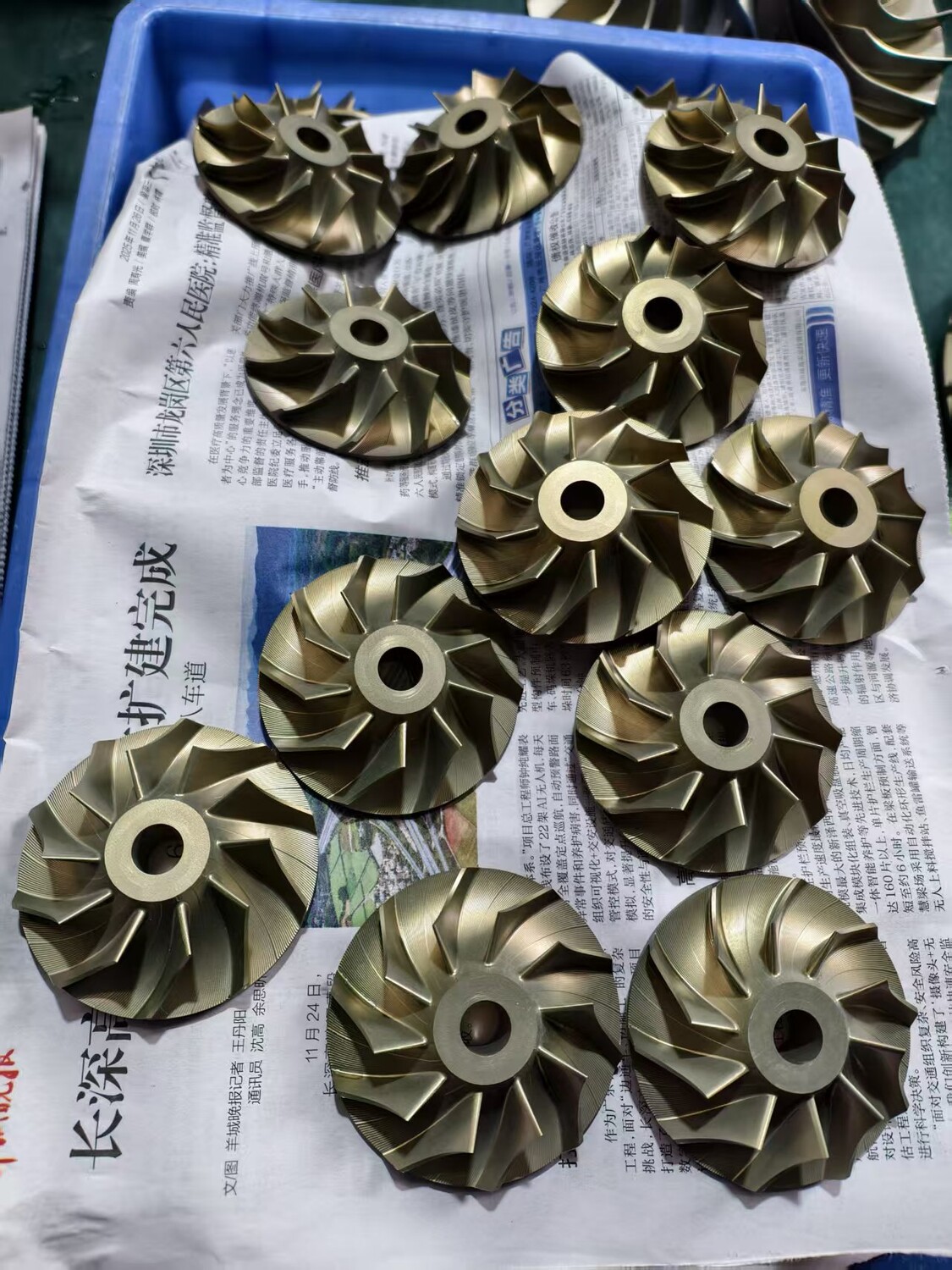
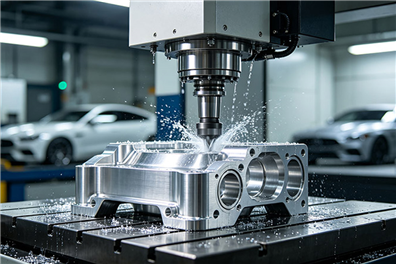
Lavorazione CNCrimane uno dei processi di produzione più versatili disponibili oggi. È ampiamente utilizzato per prototipi, produzione a basso volume, componenti ad alta precisione e parti complesse fatte di metalli e plastiche di ingegneria. Poiché la lavorazione CNC rimuove materiale da un pezzo di lavoro solido, ogni caratteristica di progettazione influenza direttamente i tempi di lavorazione, i requisiti di utensili e i costi di produzione.
Ridurre al minimo la rimozione del materiale
Grandi quantità di rimozione di materiale inutile aumentano il tempo di lavorazione e l'usura degli utensili. Quando possibile, gli ingegneri dovrebbero progettare componenti che richiedono solo la quantità necessaria di lavorazione per raggiungere la geometria desiderata.
Progettazione per dimensioni standard
Mulini standard, trapani, reamer e rubinetti sono facilmente disponibili, economici e ben compresi dai macchinisti. Progettare caratteristiche intorno a questi strumenti standard riduce la complessità della programmazione ed evita la necessità di tagliere su misura.
Ridurre più configurazioni
Ogni configurazione aggiuntiva introduce più lavoro, aumenta il tempo del ciclo e crea opportunità di variazione dimensionale. I progettisti dovrebbero considerare come una parte sarà tenuta durante la lavorazione e sforzarsi di rendere il maggior numero possibile di caratteristiche accessibili da meno orientamenti.
Considerare l'accessibilità degli strumenti
Geometrie interne complesse, cavità profonde e caratteristiche nascoste spesso richiedono utensili specializzati o operazioni di lavorazione aggiuntive. La progettazione di caratteristiche facilmente accessibili con strumenti di taglio standard migliora l'efficienza e la coerenza della lavorazione.
Equilibri precisione con praticità
Non tutte le caratteristiche richiedono precisione a livello di micron. Riservare tolleranze strette solo per dimensioni funzionali critiche riduce i costi di lavorazione senza sacrificare le prestazioni del prodotto.
DFM per la fabbricazione di lamiere
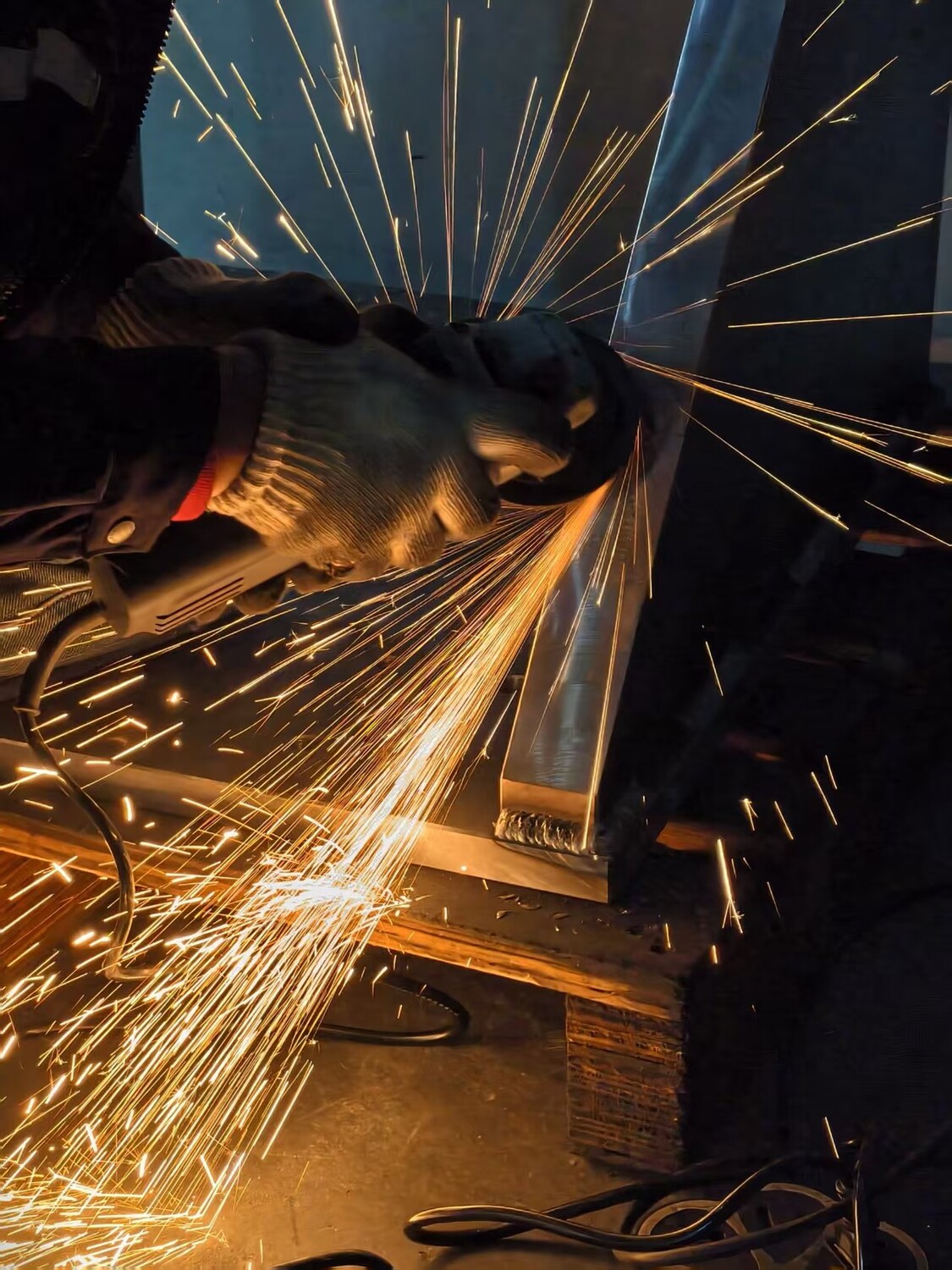
Fabbricazione di lamierepresenta un insieme completamente diverso di considerazioni di progettazione. Invece di rimuovere materiale, i componenti in lamiera vengono prodotti attraverso operazioni di taglio, piegatura, perforazione, saldatura e formatura. Le piccole modifiche di progettazione possono migliorare drasticamente l'efficienza produttiva.
Selezione del raggio di piegatura
Una delle raccomandazioni DFM più comuni consiste nell'uso di raggi di piegatura standard. I raggi di curvatura estremamente piccoli aumentano la tensione degli utensili e possono causare crepe, in particolare nei materiali ad alta resistenza. La selezione dei raggi di piegatura adatti allo spessore del materiale migliora la coerenza riducendo al contempo i rischi di produzione.
Posizionamento del foro
I fori posizionati troppo vicino alle pieghe possono essere distorti durante la formazione. Mantenere una distanza adeguata tra curve e fori aiuta a preservare la precisione dimensionale e riduce le operazioni secondarie.
Minimizzare i requisiti di saldatura
Ogni volta che è pratico, i progettisti dovrebbero sostituire complessi assemblaggi saldati con caratteristiche formate o schede auto-localizzanti. Ridurre le saldature riduce i costi del lavoro migliorando la ripetibilità dimensionale.
Spessori standard del materiale
L'uso di spessori di fogli comunemente disponibili migliora la disponibilità del materiale, riduce i tempi di consegna e riduce i costi di acquisto.
DFM per la fabbricazione additiva
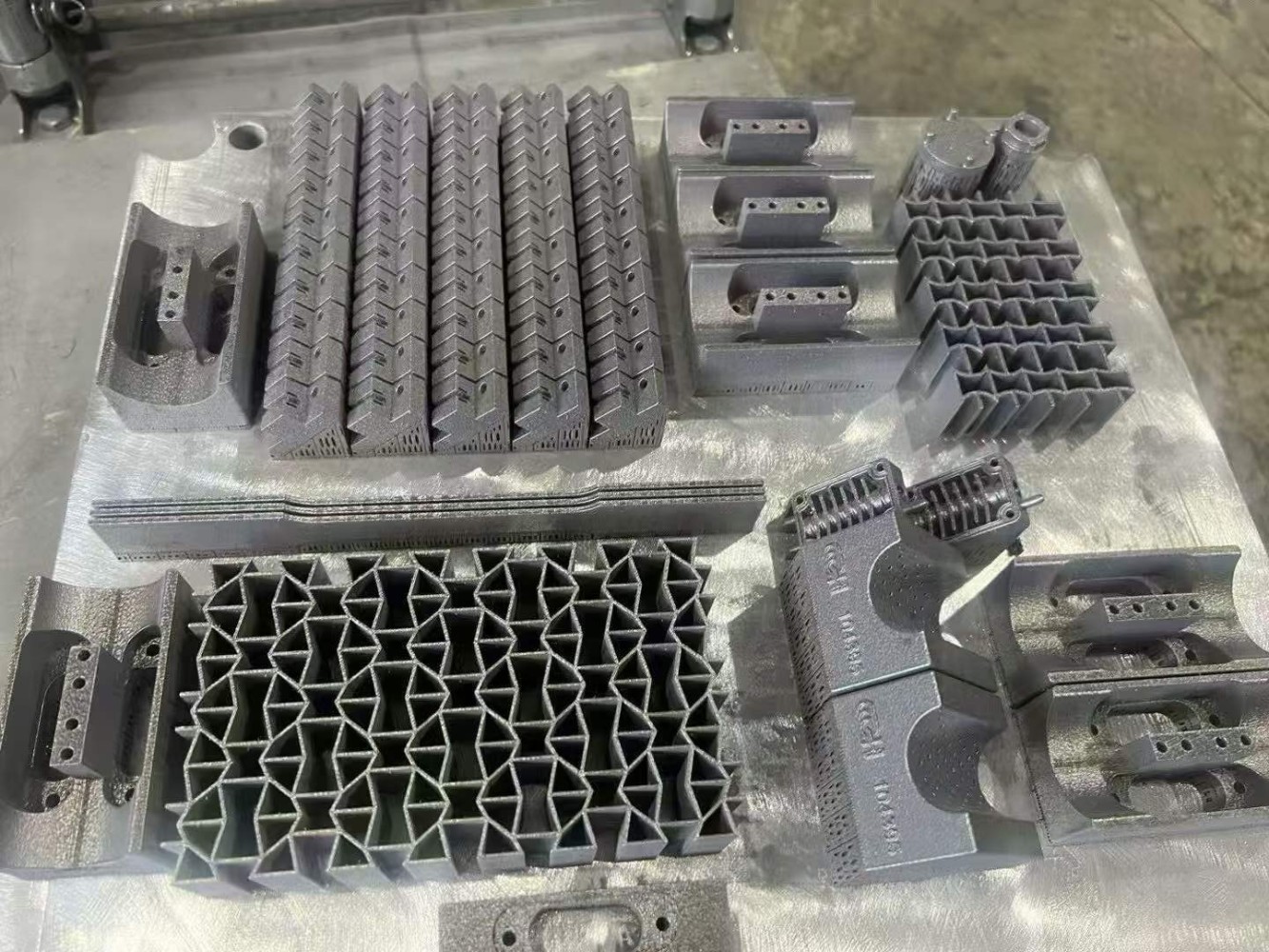
La produzione additiva, comunemente nota come stampa 3D, offre una notevole libertà di progettazione e ha fondamentalmente cambiato il modo in cui gli ingegneri approcciano lo sviluppo dei prodotti. Permette la creazione di geometrie altamente complesse, strutture interne, disegni a reticola leggeri e assemblaggi consolidati che sarebbero estremamente difficili o impossibili da produrre utilizzando metodi di fabbricazione tradizionali.
Tuttavia, questa “libertà di progettazione” non significa “progettazione senza regole”. Ogni processo di fabbricazione additiva presenta ancora limitazioni tecniche, tra cui effetti di orientamento della costruzione, requisiti di struttura di supporto, vincoli di finitura superficiale, distorsione termica e comportamento del materiale durante la stampa. Senza adeguata considerazione di questi fattori, i progetti possono soffrire di scarsa precisione dimensionale, prestazioni strutturali deboli o costi di produzione inutilmente elevati.
Scegliere il giusto partner produttivo
Anche il design più ottimizzato richiede la competenza di un partner produttivo capace per raggiungere il suo pieno potenziale.
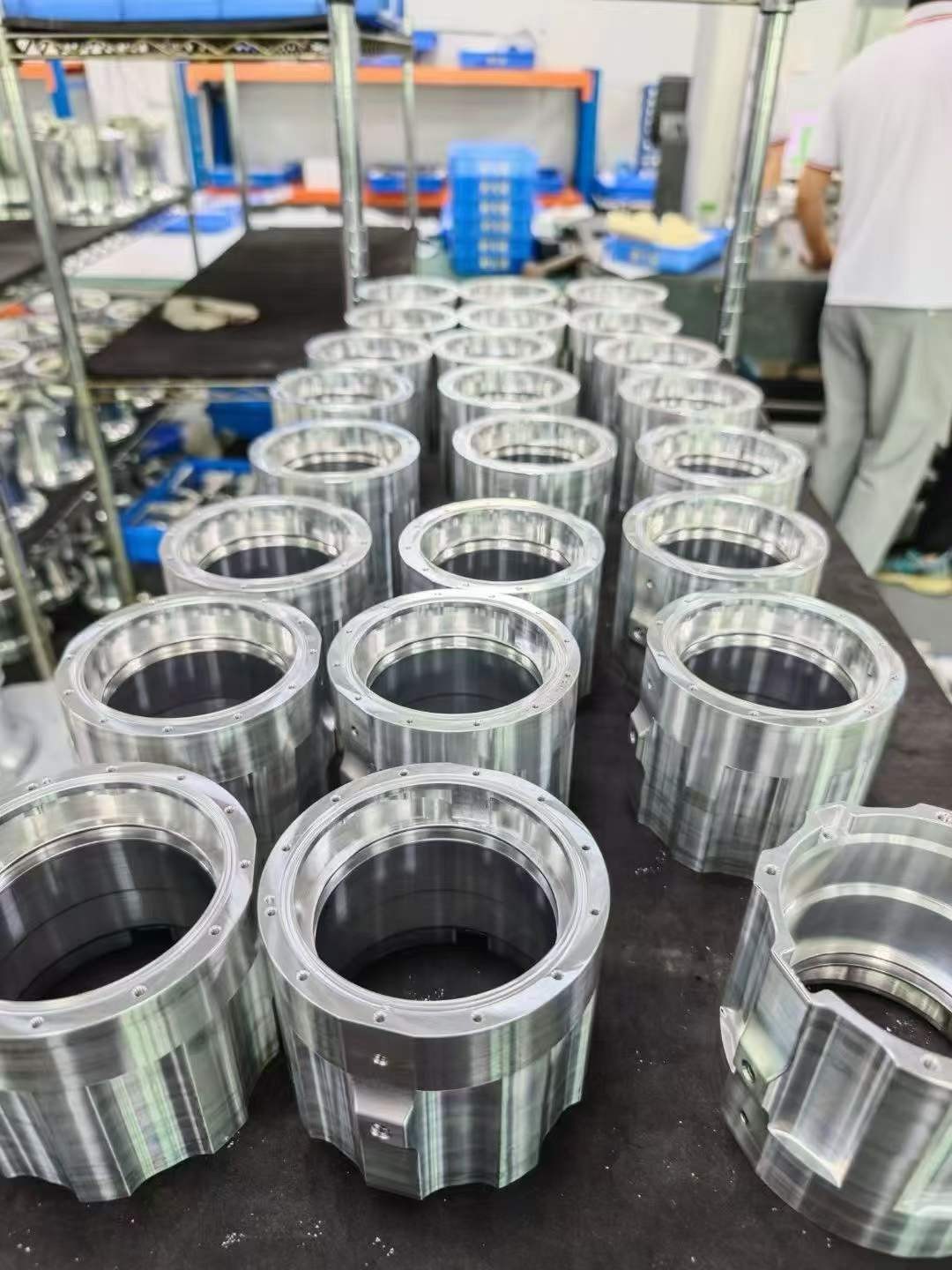
Un produttore esperto contribuisce molto di più della capacità di lavorazione. Forniscono conoscenze ingegneristiche, conoscenze di processo e raccomandazioni pratiche ottenute dalla produzione di migliaia di componenti su misura in diversi settori industriali.
Il partner produttivo ideale dovrebbe offrire:
· Analisi DFM completa prima della produzione
· Esperienza in più processi produttivi
· Capacità avanzate di lavorazione CNC
· Servizi di fabbricazione e finitura di lamiere
· Guida alla selezione del materiale
· Ispezione di qualità di precisione
· Supporto ingegneristico reattivo
· Produzione scalabile dai prototipi alla produzione di massa
DFM è molto più di una tecnica di riduzione dei costi, è un approccio strategico che allinea la creatività ingegneristica con l'eccellenza manifatturiera. Considerando i requisiti di produzione durante le prime fasi dello sviluppo del prodotto, le aziende possono eliminare costose riprogettazioni, migliorare la qualità del prodotto, accelerare il time-to-market e costruire catene di fornitura più resilienti. Combinando competenza tecnica con comunicazione collaborativa, i produttori diventano un'estensione del team di ingegneria del cliente, contribuendo a trasformare concetti innovativi in soluzioni pronte alla produzione.
Se produrre precisioneParti lavorate CNCPer assemblaggi in lamiera, prodotti stampati a iniezione o componenti fabbricati in modo additivo, i principi della DFM rimangono gli stessi: semplificare dove possibile, ottimizzare dove necessario e collaborare durante tutto il processo di sviluppo. Ogni caratteristica ottimizzata, ogni scelta informata del materiale e ogni decisione di progettazione favorevole alla produzione contribuiscono a una maggiore produttività e al successo aziendale a lungo termine.



 sophia@alcrocn.com
 86 15338350382
 6th North Street, comunità di Xiagang, città di Chang'an, città di Dongguan, provincia del Guangdong, Cina.
